Arrival of Buddhism
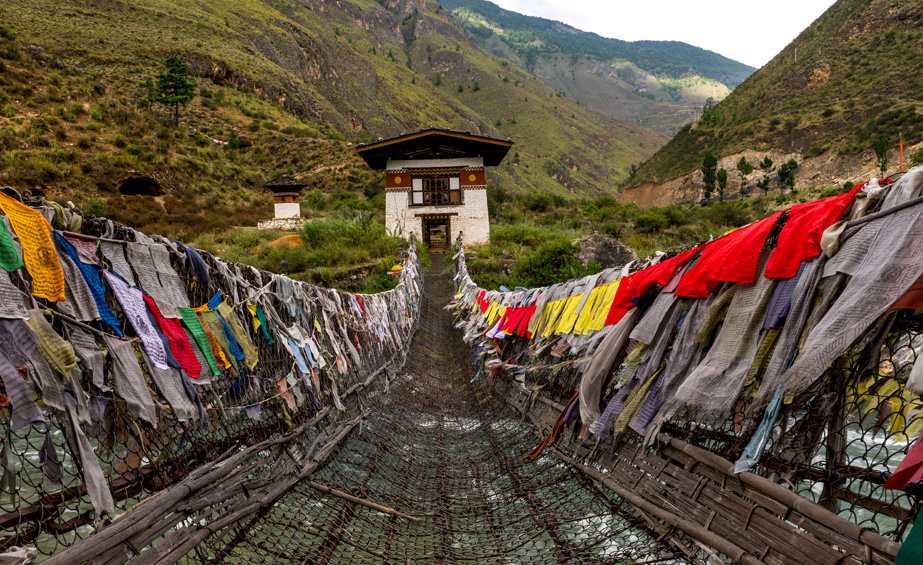
Guru Rinpoche (Padmasambhava) introduced Buddhism to Bhutan, bringing with him the teachings that would shape the kingdom's spiritual and cultural identity for centuries to come.
A land where ancient traditions meet pristine nature, and happiness is measured by the well-being of its people. Welcome to the Last Shangri-La.
A kingdom unlike any other
Nestled in the eastern Himalayas between India and China, Bhutan is a small kingdom that has carefully preserved its unique identity and traditions. Often referred to as the "Land of the Thunder Dragon," Bhutan is the world's last remaining Vajrayana Buddhist kingdom.
With its philosophy of Gross National Happiness (GNH) prioritized over Gross Domestic Product (GDP), Bhutan offers a different way of measuring progress—one that values spiritual well-being, environmental conservation, and cultural preservation.
From ancient kingdoms to modern monarchy
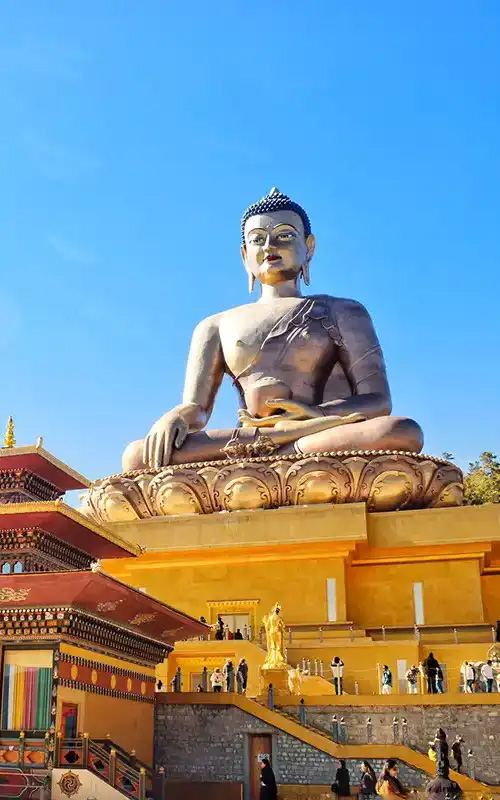
Guru Rinpoche (Padmasambhava) introduced Buddhism to Bhutan, bringing with him the teachings that would shape the kingdom's spiritual and cultural identity for centuries to come.
Zhabdrung Ngawang Namgyal, a Tibetan lama, unified the kingdom and established the dual system of governance that balanced spiritual and temporal authority, a system that continues to influence Bhutan today.
Gongsar Ugyen Wangchuck was elected as the first hereditary King of Bhutan, establishing the Wangchuck dynasty that continues to rule today with wisdom and compassion.
Bhutan signed the Treaty of Friendship with India, maintaining its sovereignty while establishing strong regional relationships. The kingdom remained relatively isolated, preserving its unique culture.
The Fourth King, Jigme Singye Wangchuck, voluntarily introduced parliamentary democracy, and Bhutan's first general elections were held, transitioning to a constitutional monarchy while maintaining the values of Gross National Happiness.
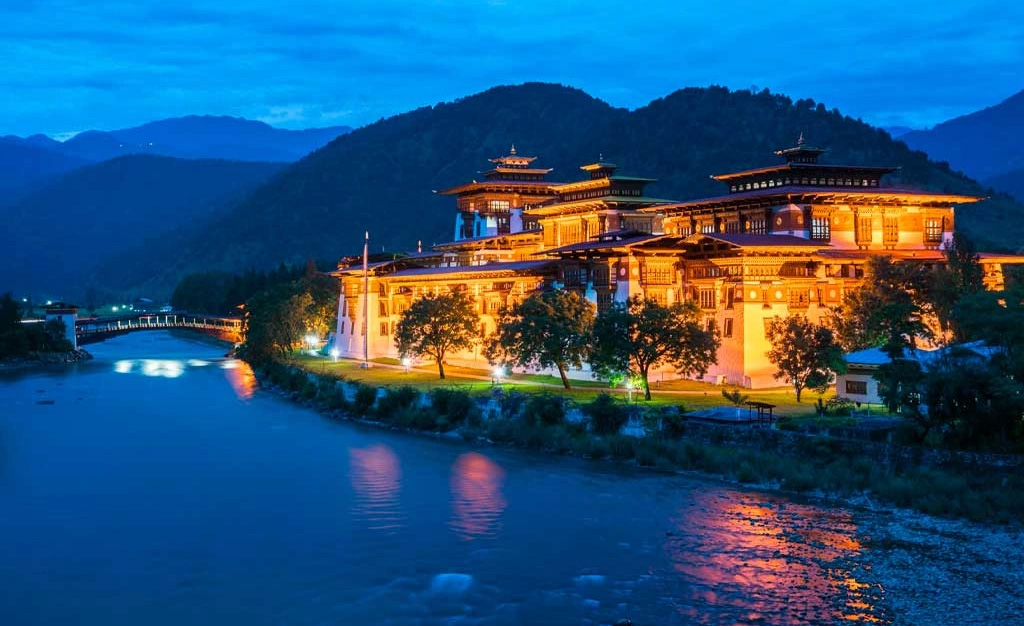
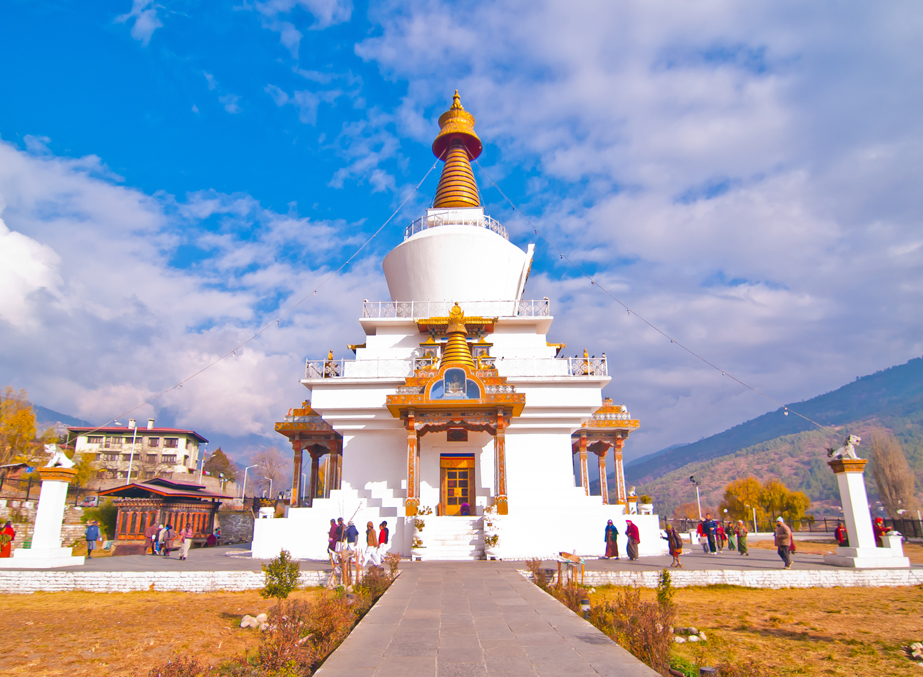
From sacred monasteries to stunning fortresses
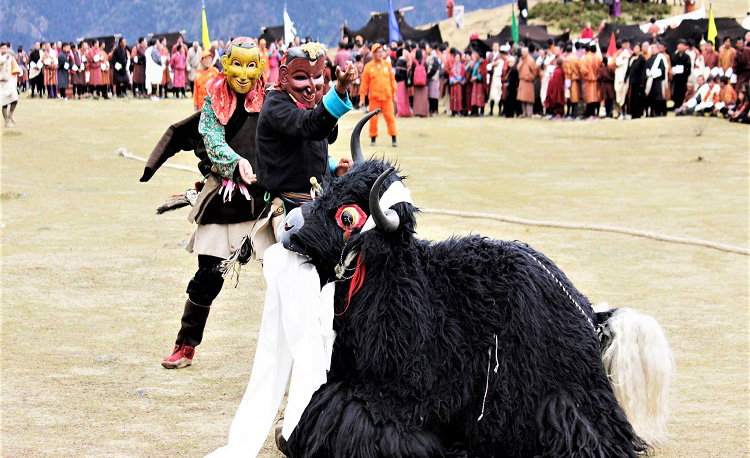
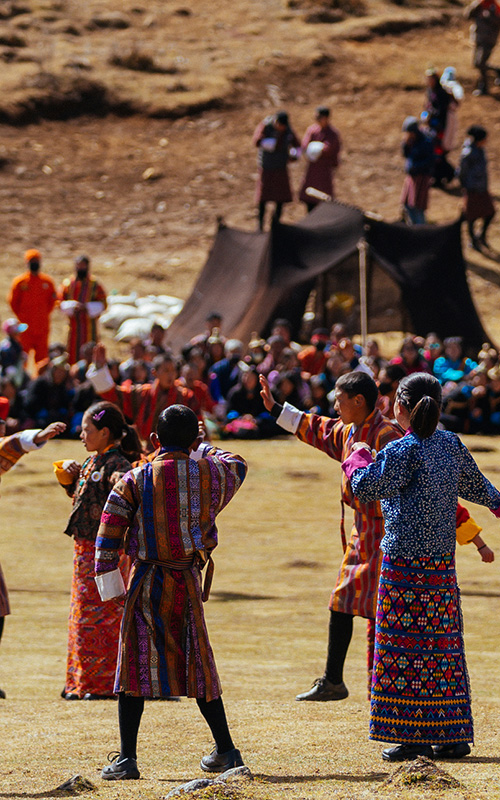
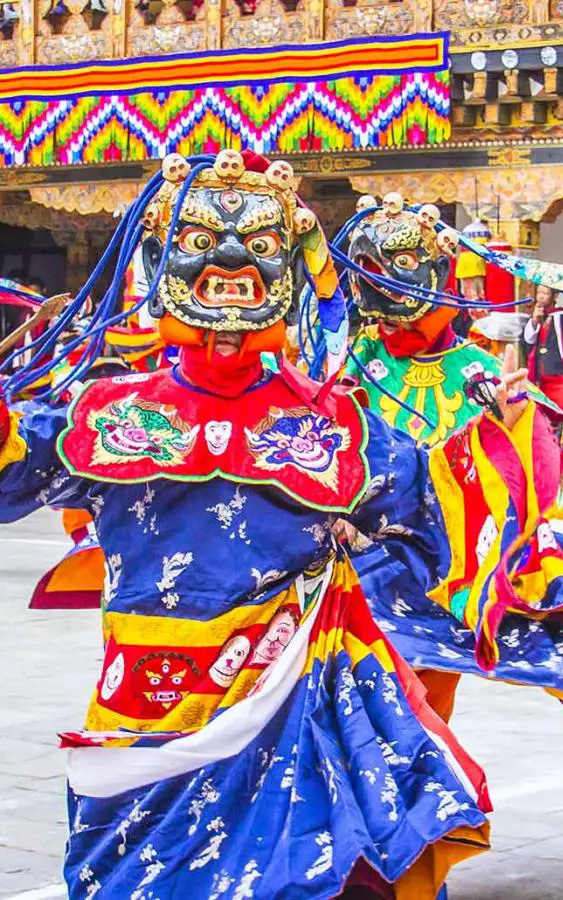
Tshechus — sacred dances celebrating Bhutanese culture
The grandest festival in the capital featuring spectacular mask dances and religious dramas performed by monks and lay people.
SeptemberOne of the most famous festivals held at Rinpung Dzong, featuring colorful mask dances, spiritual performances, and vibrant celebrations.
March - AprilWitness the famous fire ceremony and sacred mask dances at one of Bhutan's oldest temples in the Bumthang Valley.
October - NovemberExperience sacred rituals followed by the vibrant Tshechu at the majestic Punakha Dzong, featuring unique religious performances.
February - MarchThe warm heart of the Himalayan kingdom
Bhutanese people are known for their genuine warmth and hospitality. Visitors are welcomed with open arms and treated as honored guests.
The Gho (men) and Kira (women) are worn daily, reflecting a deep respect for tradition and national identity that unites all Bhutanese.
Vajrayana Buddhism permeates every aspect of life, from prayer flags on mountain passes to the daily rituals of monks in ancient monasteries.
Bhutan's unique development philosophy prioritizes the happiness and well-being of its people over economic growth alone.
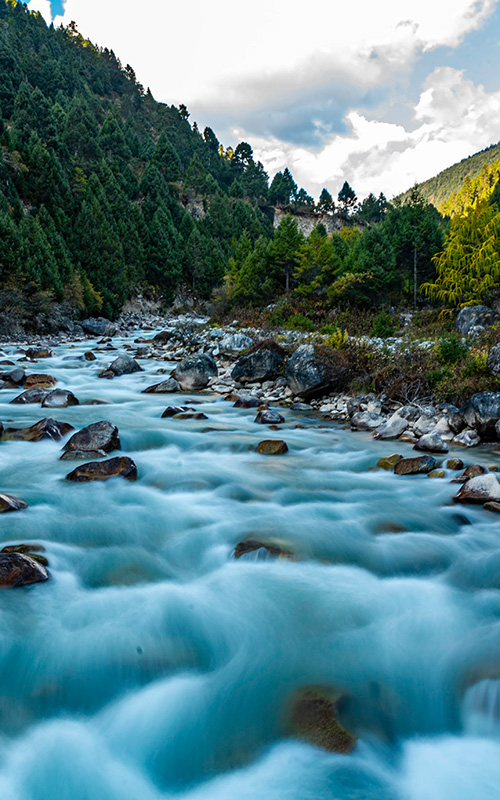
A carbon-negative country with extraordinary biodiversity
One of the highest in the world
Including rare medicinal plants
Including Bengal tigers and snow leopards
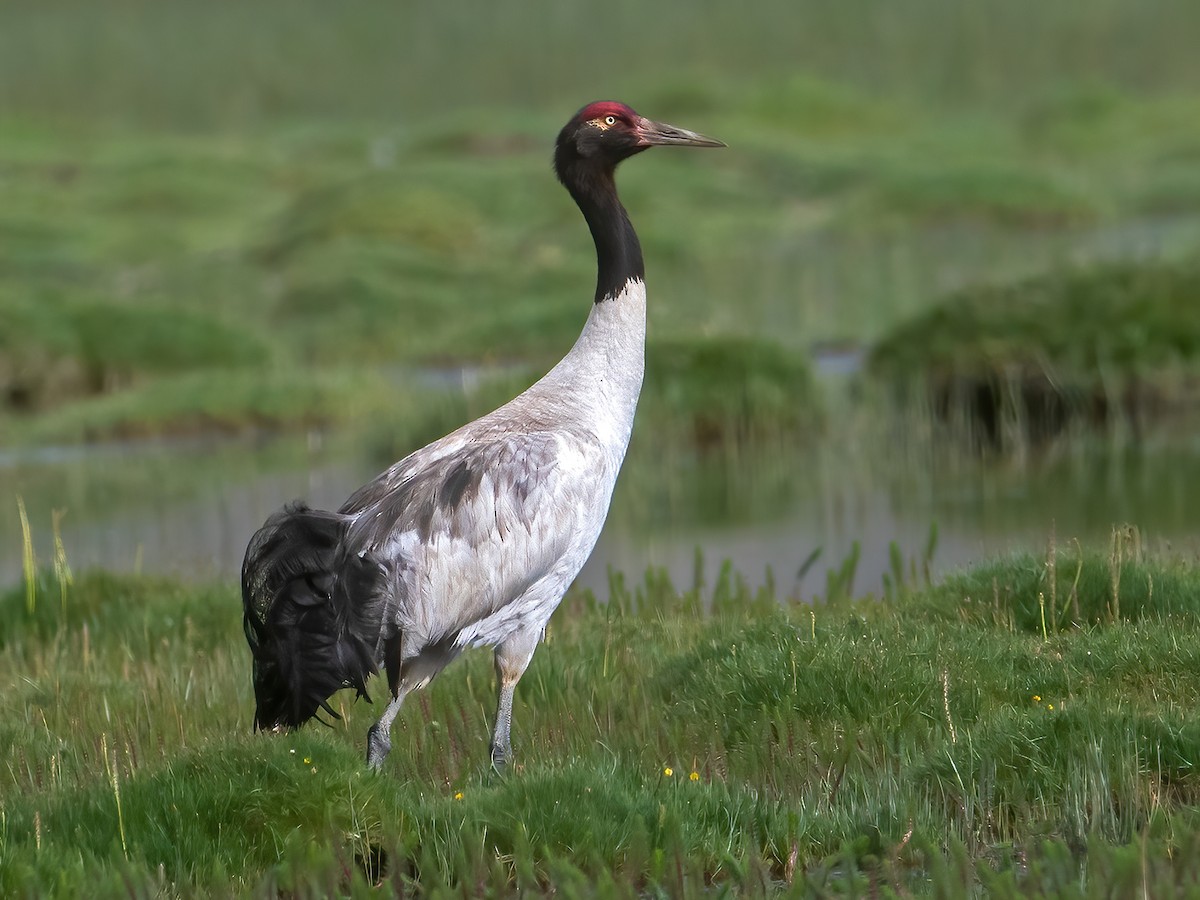
A paradise for birdwatchers
Let Trikaya Travel craft your perfect Bhutan journey. From cultural tours to trekking adventures, we'll make your dream trip a reality.
Plan Your Bhutan Adventure